
As reported in Q1 2023.
Austin’s STR 2023 Outlook
Economic concern is riding high after the close of 2022, with the consensus of many economic forecasters predicting at least a mild recession in 2023.
However, data shows us that the short-term rental (STR) industry has more cause to stay optimistic, as travel tailwinds still have the power to overcome economic headwinds. The diverse and often affordable experiences offered by STRs will continue to draw crowds in 2023 as employment and consumer interest in travel remain strong both on the supply and the demand side.
Performance forecasting will fall short of the dramatic results the industry saw in 2021 and 2022, but it’s clear 2023 will be a year of mature performance from an industry that recovered more nimbly than conventional lodging.
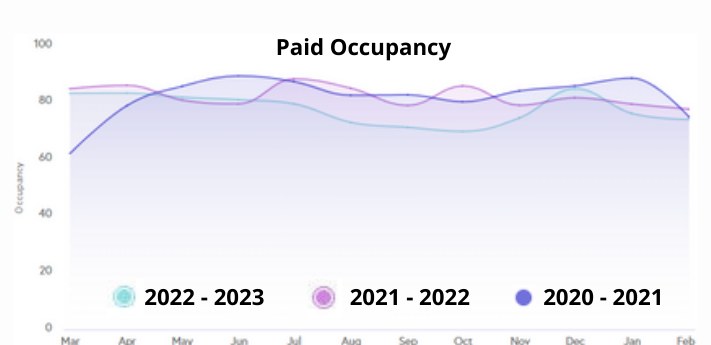
With the pandemic fading into the past, urban STRs, our particular segment of the STR market, continue to recover and show strong, consistent growth. However, more rural or even just less urban properties have seen their revenue decrease dramatically from the 2021 peak.
Change of Pace
Strong supply growth is anticipated to create a second year of declining occupancy, although our current occupancy rate of 75% is well above Austin’s real-time average of 56%.
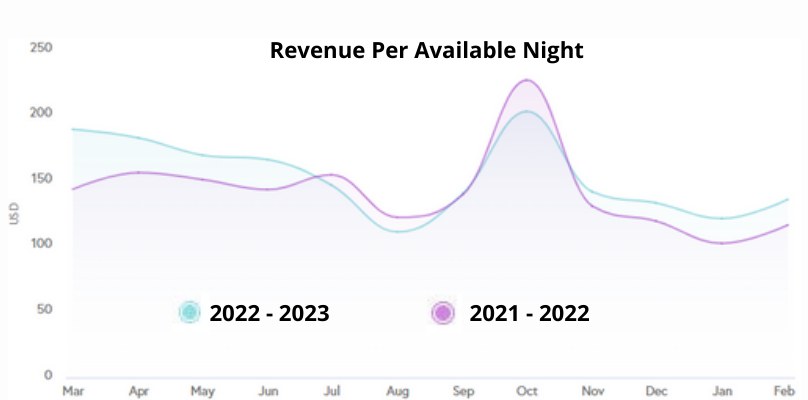
With upwards of 10,200 STRs available for travelers in Austin, the excess supply has significantly impacted occupancy. While our average daily rate (ADR) continues to be high, occupancy was underwhelming in the final months of 2022 and the first two months of 2023 as we saw our lowest occupancy rates ever. With the increased supply and high ADR, we’ve seen longer booking lead times, increasing our average to 12 days.
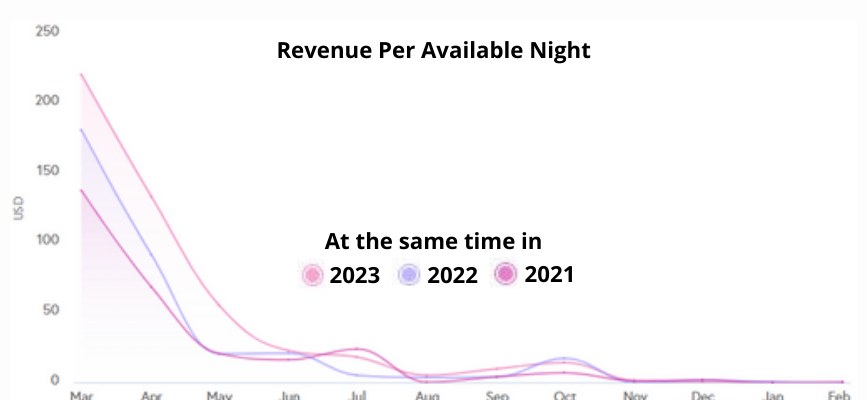
With this in mind, we are focused on accurately pricing our listings, particularly so that occupancy 90 days out is strong (25% to 35%). Our occupancy trend is promising, but in order to maintain occupancy, pricing had to be adjusted across the board, including pricing for major tourist events like SXSW (see: Super Bowl in Phoenix). Mindful pricing that aligns with a property’s location, amenities, and guest capacity will maintain our competitive edge and yield sustainable results.
Austin’s current market overview score is B (70 of 100): rental demand 68, revenue growth 34, seasonality 89, regulation 47, and investability 31.
STR License Enforcement
Austin City Council members are moving forward with developing a partnership with online travel agencies (OTAs). To help combat STRs operating without a license, the City of Austin will work side by side with companies like Airbnb and Vrbo to enforce Austin’s Short-Term Rental Licensing Program. Without proper documentation of an active operating license, OTAs will prevent listings from being posted for guest bookings on their platform. It’s anticipated this partnership will be implemented near the end of 2023, but nothing is set in stone as of yet.
Questions about how your home is performing? Contact STR Management, or browse all of our Austin market reports.